
Design isn't decoration. It's applied psychology.
Every design choice changes how people perceive, feel, and decide. Here's why understanding people, not aesthetics, is the real job of a designer.
Ask most people what design is and they'll describe how something looks: the colors, the finishes, a beautiful fixture, a well-styled room.
The International Council of Design takes a broader view. It describes design as the study and practice of how a person, the "user," interacts with the man-made environment, weighing aesthetic, functional, contextual, cultural and societal factors together. Strip that down and you get something simple: design is problem solving with human interaction at its center.
Which means it's mental.
Every choice you make, a color, a layout, a light level, a button, changes how someone perceives, feels, and decides. "Pretty" is a side effect. Understanding people is the job.
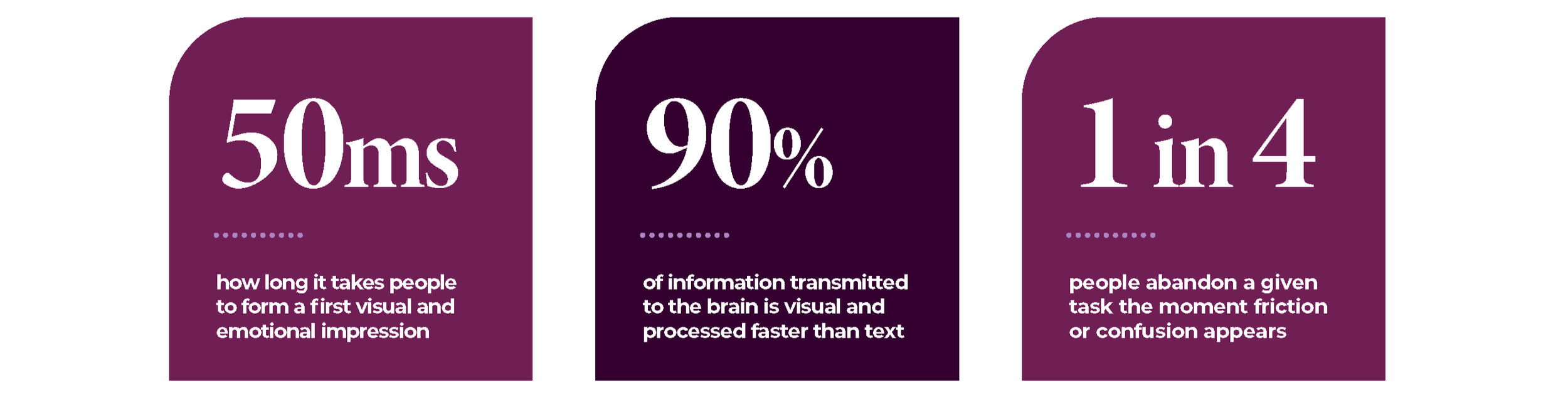
The stakes are measurable. Research on first impressions suggests people form a visual and emotional judgment in roughly 50 milliseconds, long before they read a word or weigh a price. Vision dominates how we take in the world, and a meaningful share of people abandon a task the moment friction or confusion appears.
I opened my session at the American Lighting Association conference in Tucson this month with this idea because it changes the first question on any project. Not "what should it look like?" but "what does this person need to understand, feel, and do, and what will get in their way?"
Three shifts follow from that:
From taste to evidence. Opinions about what looks good give way to decisions you can test against how people actually behave.
From features to feelings. People don't buy a fixture; they buy the way a room will feel and what it says about them.
From finished to measured. If a design choice is meant to influence behavior, you should be able to say what behavior and how you'll know.
If you've ever watched a beautiful space or product fail, the cause was probably psychological, not aesthetic. The good news is that psychology can be learned, and it can be designed for.
Over the next few posts I'll share what I covered in Tucson: how the brain filters what we see, why emotion decides before logic does, and three practical tools for turning that insight into results.
